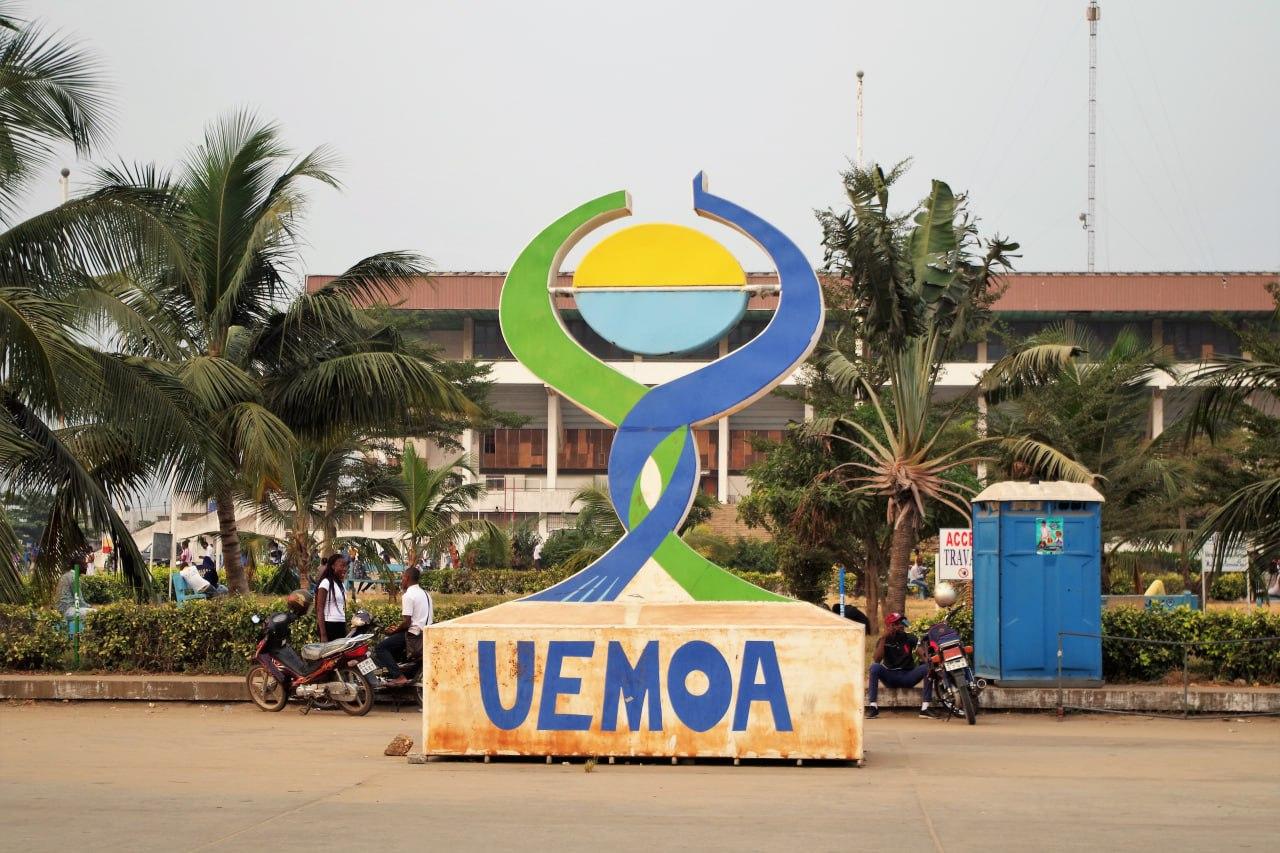
• AES television news station complex building' located in Bamako, Mali ' this TV station will be responsible for educating the masses about the false narratives ever imposed on us over the centuries and will also report various developments happening within the AES and broader Africa .
    AES television news station complex building' located in Bamako, Mali 🇲🇱' this TV station will be responsible for educating the masses about the false narratives ever imposed on us over the centuries and will also report various developments happening within the AES and broader Africa 🌍.
    Love
    1
    · 0 Kommentare ·0 Anteile ·275 Ansichten ·0 Vorschau
  • Share with your friends
    , encourage them to Download Download African (Supfrica) village.
    Share with your friends , encourage them to Download Download African (Supfrica) village.
    Love
    1
    · 0 Kommentare ·0 Anteile ·266 Ansichten ·0 Vorschau
  • Good evening children of Africa
    Good evening children of Africa 🌍
    0 Kommentare ·0 Anteile ·465 Ansichten ·0 Vorschau
  • North Korean Air Force to Receive New Strategic Assets as Part of Nuclear Deterrence Boost: Leader

    Kim Jong-un announced during celebrations marking the air force's 80th anniversary amid ongoing regional tensions, according to state news agency KCNA.

    Kim praised personnel while emphasising that "the outcome of an air battle depends on the spirit of the pilots, not the equipment."

    The leader described the Air Force as the "first-born service" with strong ideological resolve, highlighting both modernisation efforts and the importance of human factors in military readiness, KCNA reported.

    Cr - Sputnik Africa ✍🏽
    North Korean Air Force to Receive New Strategic Assets as Part of Nuclear Deterrence Boost: Leader 🇰🇵🇷🇺 Kim Jong-un announced during celebrations marking the air force's 80th anniversary amid ongoing regional tensions, according to state news agency KCNA. Kim praised personnel while emphasising that "the outcome of an air battle depends on the spirit of the pilots, not the equipment." The leader described the Air Force as the "first-born service" with strong ideological resolve, highlighting both modernisation efforts and the importance of human factors in military readiness, KCNA reported. Cr - Sputnik Africa ✍🏽
    0 Kommentare ·0 Anteile ·466 Ansichten ·0 Vorschau
  • Village life.

    Some where in #Africa

    been long since I made a post on this aesthetic platform

    encourage families and friends to keep on downloading Supfrica village.
    Village life. Some where in #Africa 🌍 been long since I made a post on this aesthetic platform encourage families and friends to keep on downloading Supfrica village.
    0 Kommentare ·0 Anteile ·615 Ansichten ·0 Vorschau
  • Russian Food Exports to Africa Surge by Over 100% in Five Years: Officials

    The country's agricultural exports to African nations have reached nearly $7 billion in 2024, Ilya Ilyushin, head of the Russian Federal Center for Agricultural Export Development (AgroExport), said during a Russia-Africa roundtable in Addis Ababa.

    Russian-African agricultural trade turnover grew by 18% last year, with wheat remaining the cornerstone of exports at 26 million tonnes, Russian Deputy Agriculture Minister Andrey Razin said at the event, which focused on enhancing African food security.

    Other significant supplies included 1.3 million tonnes of barley, over 200,000 tonnes of corn, and 35,000 tonnes of lentils, according to Razin.

    The expansion features notable diversification beyond grains:

    - Vegetable oil exports increased nearly twofold to over $720 million;
    - Processed food shipments grew by 51% in value;
    - Livestock product exports quadrupled;
    - Efforts underway to restore previous annual fish export levels of 200,000 tonnes.

    Russia has deployed agricultural attachés to 10 African countries to strengthen cooperation frameworks and facilitate further trade development, according to AgroExport.

    #Africa #Russia

    Courtesy: Africa Intel
    🇷🇺🌍 Russian Food Exports to Africa Surge by Over 100% in Five Years: Officials The country's agricultural exports to African nations have reached nearly $7 billion in 2024, Ilya Ilyushin, head of the Russian Federal Center for Agricultural Export Development (AgroExport), said during a Russia-Africa roundtable in Addis Ababa. Russian-African agricultural trade turnover grew by 18% last year, with wheat remaining the cornerstone of exports at 26 million tonnes, Russian Deputy Agriculture Minister Andrey Razin said at the event, which focused on enhancing African food security. Other significant supplies included 1.3 million tonnes of barley, over 200,000 tonnes of corn, and 35,000 tonnes of lentils, according to Razin. The expansion features notable diversification beyond grains: - Vegetable oil exports increased nearly twofold to over $720 million; - Processed food shipments grew by 51% in value; - Livestock product exports quadrupled; - Efforts underway to restore previous annual fish export levels of 200,000 tonnes. Russia has deployed agricultural attachés to 10 African countries to strengthen cooperation frameworks and facilitate further trade development, according to AgroExport. #Africa #Russia Courtesy: Africa Intel
    0 Kommentare ·0 Anteile ·596 Ansichten ·0 Vorschau
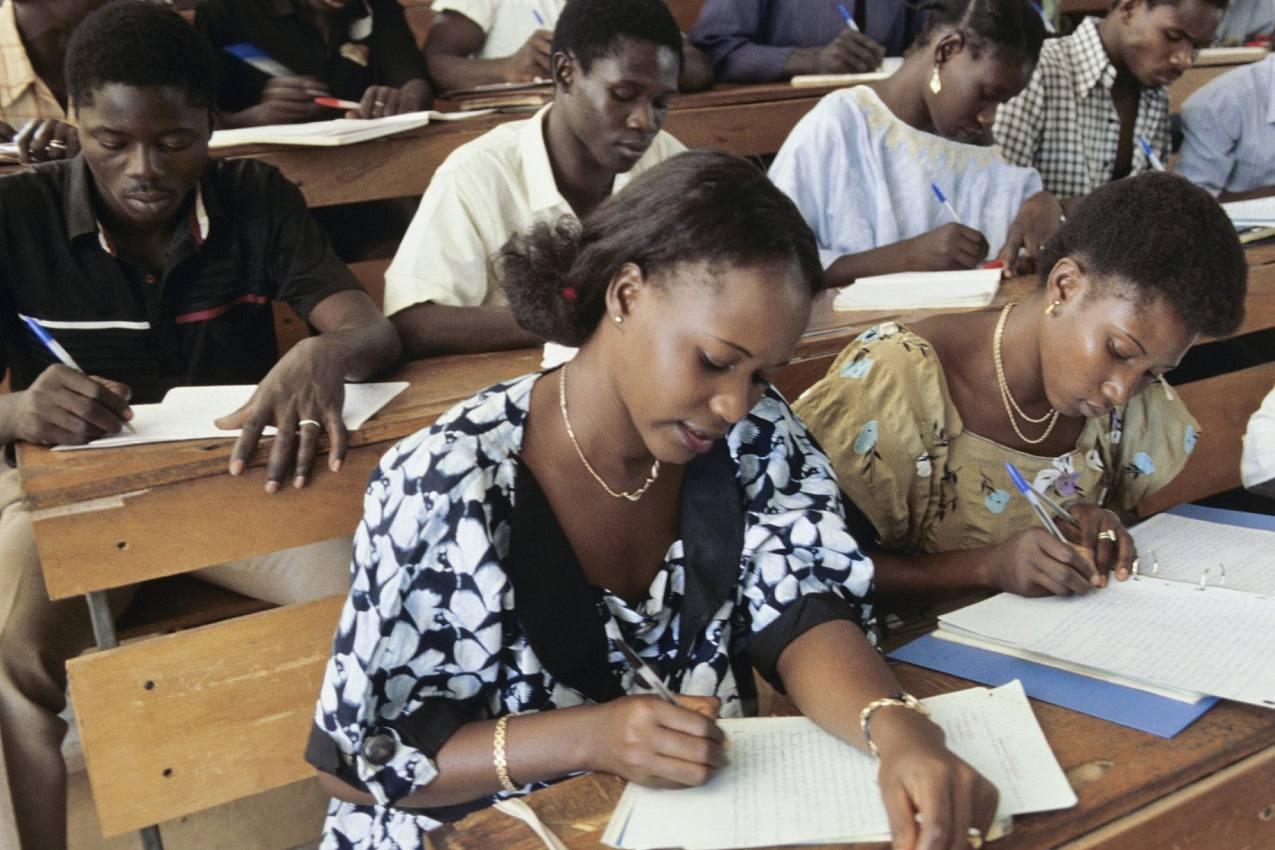
  • In Mali the higher education system will be updated with the help of RAFU programs ("Russian-African Network University").

    The programs cover areas of artificial intelligence and robotics, geological exploration and raw material extraction, energy and renewable energy sources, space technologies and satellites, as well as agriculture.

    "The 29 developed educational programs are a practical contribution of Russian universities to the implementation of the ambitious tasks facing the higher education system of Mali. We hope that during this visit, specific roadmaps will be developed for each of the eight priority training areas," said Dmitry Arsenyev, Vice-Rector for International Activities.

    During the visit to Mali, the Russian delegation held talks with the Minister of Higher Education and Scientific Research of Mali, Bourema Kansaye, rectors of Malian universities, and heads of research centers.

    Following the negotiations, an agreement was signed to join 19 Malian universities to the RAFU consortium.

    #Mali #Russia

    @africaintel
    🇲🇱🇷🇺 In Mali the higher education system will be updated with the help of RAFU programs ("Russian-African Network University"). The programs cover areas of artificial intelligence and robotics, geological exploration and raw material extraction, energy and renewable energy sources, space technologies and satellites, as well as agriculture. 💬 "The 29 developed educational programs are a practical contribution of Russian universities to the implementation of the ambitious tasks facing the higher education system of Mali. We hope that during this visit, specific roadmaps will be developed for each of the eight priority training areas," said Dmitry Arsenyev, Vice-Rector for International Activities. During the visit to Mali, the Russian delegation held talks with the Minister of Higher Education and Scientific Research of Mali, Bourema Kansaye, rectors of Malian universities, and heads of research centers. Following the negotiations, an agreement was signed to join 19 Malian universities to the RAFU consortium. #Mali #Russia @africaintel
    0 Kommentare ·0 Anteile ·1KB Ansichten ·0 Vorschau
  • "Africa Industrialization Day" or the day of fighting Africa's industrialization?
    November 20, 2025 by Muhammad Mahdi Rahimi, journalist and researcher
    Imagine a school where several hundred students share a single teacher and only one small classroom suitable for instruction. Now imagine that once a year, the students' parents gather for a day, and the school principal speaks about the necessity of using the world’s most advanced teaching methods and the need to compete with other schools.
    This bizarre and questionable situation is remarkably similar to what happens annually under United Nations sponsorship under the title of commemorating Africa Industrialization Day.
    “Innovation,” “artificial intelligence,” “eco-friendly production,” “empowering women,” “local and indigenous production.” Where do these words steer your mind? A startup? A transformation blueprint in a European corporation? Part of an academic text on the future of industry in the US? Astonishingly, these are the central themes of gatherings and discussions surrounding Africa Industrialization Day for at least the past five years. For anyone familiar with the state of industry on this continent, such rhetoric immediately raises a red flag: something about this situation is deeply troubling.
     
    The colonizers do not wish to leave
    With the end of traditional colonialism in the years following World War II, independence movements took root across Africa, and the colonizers, weakened by war no longer had the capacity to maintain a permanent military presence on the pre-war scale. France and Britain’s last attempts at permanent military occupation, in Kenya and Algeria, ended in failure, prompting the aging European victors of the war to devise new strategies for returning to Africa and seizing its natural resources.
    Africa was also a key theater for the Western Cold War against the Soviet Union. This very rivalry between the West and the USSR created conditions for the advancement of some African nations—particularly the Arab countries of North Africa. However, for the sub-Saharan African nations, the story was not meant to end so simply. Using economic and political instruments, the West once again established its foothold in Africa to exploit its abundant resources. Copper, oil, cobalt, diamonds, uranium, and gold were just a portion of the continent’s extraordinary wealth, coveted from those years until now.
    Hundreds of years of war, plunder, and European colonialism had destroyed much of Africa’s educational, cultural, and industrial infrastructure. With the withdrawal of the colonial powers, the resulting political and economic vacuums prevented newly independent countries from enacting lasting changes in their economic and industrial development. Civil war, poverty, and a lack of effective policy-making paved the way for Europe’s return. It was at this point that the western financial institutions returned to Africa, using instruments such as coups, as in Ghana, or negotiating with incumbent governments.
    Loans were the primary tool of entry. The initial loans, granted to African countries for investment in the mining and raw material export sectors, were structured with repayment timelines that made actual repayment virtually impossible. In the early years, the funds were spent on building essential infrastructure like roads, healthcare, and education; or, in corrupt governments linked to Europe, it was divided among the powerful; or lost as the prices of minerals would collapse. These factors forced most African borrowers to turn once more to the international institutions, this time from a subordinated position, accepting their terms for loan extensions or new financing.
     
    Loans arrive with consultants and legal bills
    The conditions set by the World Bank and the International Monetary Fund for extending installments and granting new loans placed African countries into a vicious, self-perpetuating cycle. Henceforth, new loans were spent under the supervision of these institutions’ consultants, and the economic policies they prescribed had to be transformed into law, becoming the new economic structure of these countries.
    Very quickly, these consultations and the imposed neoliberal policy left African governments defenseless. The main features of these policies were economic austerity, the privatization of mines and industries, and money printing. The limited educational, healthcare, and industrial infrastructure that had developed in the wake of independence movements soon lost government support. Privatizing the mines once again placed ownership in the hands of wealthy European companies, effectively draining governments of the stable revenue they needed for national development beyond debt repayment.

    "Africa Industrialization Day" or the day of fighting Africa's industrialization? November 20, 2025 by Muhammad Mahdi Rahimi, journalist and researcher Imagine a school where several hundred students share a single teacher and only one small classroom suitable for instruction. Now imagine that once a year, the students' parents gather for a day, and the school principal speaks about the necessity of using the world’s most advanced teaching methods and the need to compete with other schools. This bizarre and questionable situation is remarkably similar to what happens annually under United Nations sponsorship under the title of commemorating Africa Industrialization Day. “Innovation,” “artificial intelligence,” “eco-friendly production,” “empowering women,” “local and indigenous production.” Where do these words steer your mind? A startup? A transformation blueprint in a European corporation? Part of an academic text on the future of industry in the US? Astonishingly, these are the central themes of gatherings and discussions surrounding Africa Industrialization Day for at least the past five years. For anyone familiar with the state of industry on this continent, such rhetoric immediately raises a red flag: something about this situation is deeply troubling.   The colonizers do not wish to leave With the end of traditional colonialism in the years following World War II, independence movements took root across Africa, and the colonizers, weakened by war no longer had the capacity to maintain a permanent military presence on the pre-war scale. France and Britain’s last attempts at permanent military occupation, in Kenya and Algeria, ended in failure, prompting the aging European victors of the war to devise new strategies for returning to Africa and seizing its natural resources. Africa was also a key theater for the Western Cold War against the Soviet Union. This very rivalry between the West and the USSR created conditions for the advancement of some African nations—particularly the Arab countries of North Africa. However, for the sub-Saharan African nations, the story was not meant to end so simply. Using economic and political instruments, the West once again established its foothold in Africa to exploit its abundant resources. Copper, oil, cobalt, diamonds, uranium, and gold were just a portion of the continent’s extraordinary wealth, coveted from those years until now. Hundreds of years of war, plunder, and European colonialism had destroyed much of Africa’s educational, cultural, and industrial infrastructure. With the withdrawal of the colonial powers, the resulting political and economic vacuums prevented newly independent countries from enacting lasting changes in their economic and industrial development. Civil war, poverty, and a lack of effective policy-making paved the way for Europe’s return. It was at this point that the western financial institutions returned to Africa, using instruments such as coups, as in Ghana, or negotiating with incumbent governments. Loans were the primary tool of entry. The initial loans, granted to African countries for investment in the mining and raw material export sectors, were structured with repayment timelines that made actual repayment virtually impossible. In the early years, the funds were spent on building essential infrastructure like roads, healthcare, and education; or, in corrupt governments linked to Europe, it was divided among the powerful; or lost as the prices of minerals would collapse. These factors forced most African borrowers to turn once more to the international institutions, this time from a subordinated position, accepting their terms for loan extensions or new financing.   Loans arrive with consultants and legal bills The conditions set by the World Bank and the International Monetary Fund for extending installments and granting new loans placed African countries into a vicious, self-perpetuating cycle. Henceforth, new loans were spent under the supervision of these institutions’ consultants, and the economic policies they prescribed had to be transformed into law, becoming the new economic structure of these countries. Very quickly, these consultations and the imposed neoliberal policy left African governments defenseless. The main features of these policies were economic austerity, the privatization of mines and industries, and money printing. The limited educational, healthcare, and industrial infrastructure that had developed in the wake of independence movements soon lost government support. Privatizing the mines once again placed ownership in the hands of wealthy European companies, effectively draining governments of the stable revenue they needed for national development beyond debt repayment.

    0 Kommentare ·0 Anteile ·688 Ansichten ·0 Vorschau
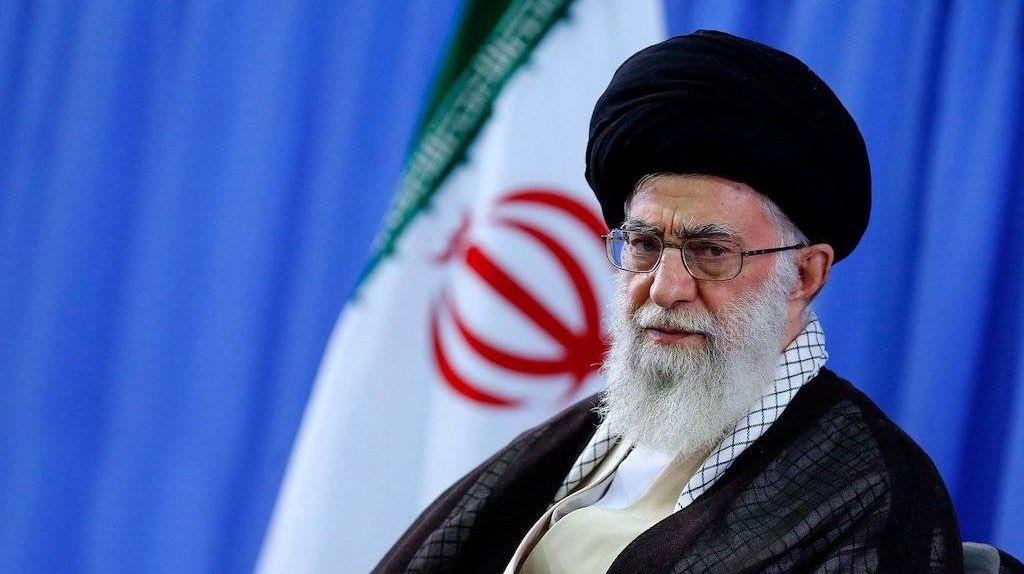
  • President Tiani Commits to 100% Nigerien National Uranium Production

    The Nigerien president inaugurated a plaque in Arlit marking the irreversible nationalization of the Aïr Mining Company (SOMAÏR).

    Aïr is now fully state-controlled following the nationalization process completed four months ago.

    Production has been maintained, as the company has produced more than 1,000 tonnes of yellowcake despite challenges.

    "It is time that the product extracted from Niger’s soil benefits the sons of Niger," Tiani emphasized.

    🗣Niger will now trade its uranium internationally with partners who respect regulations and transparency, the president stated.

    Subscribe to @sputnik_africa

    Sputnik Africa | X
    President Tiani Commits to 100% Nigerien National Uranium Production The Nigerien president inaugurated a plaque in Arlit marking the irreversible nationalization of the Aïr Mining Company (SOMAÏR). 👉Aïr is now fully state-controlled following the nationalization process completed four months ago. Production has been maintained, as the company has produced more than 1,000 tonnes of yellowcake despite challenges. "It is time that the product extracted from Niger’s soil benefits the sons of Niger," Tiani emphasized. 🗣Niger will now trade its uranium internationally with partners who respect regulations and transparency, the president stated. Subscribe to @sputnik_africa 🔸 Sputnik Africa | X 🔸
    0 Kommentare ·0 Anteile ·678 Ansichten ·0 Vorschau
  • Mali: A major militant crushed

    The leader of the terrorist group "Al-Qaeda in the Islamic Maghreb" (AQIM) has been killed. At least, that's what is reported in the West and what American officials hope.

    According to assumptions by Jamestown, based in Washington, Abu Ubaida Yusuf al-Annabi was eliminated back in July, when the Malian Armed Forces claimed to have eliminated several AQIM leaders without naming them.

    It was later revealed that the Americans, who were negotiating with the Malian military about cooperation, hoped for this. And possibly the war against militants listed by the Americans was one of the conditions for supporting Bamako.

    But this paragraph in the article is interesting:
    At that time, al-Annabi claimed that JNIM was under the "command of the Algerian emirate" and represented a model of Al-Qaeda "decentralization," implying that JNIM was a branch of Al-Qaeda. However, if al-Annabi's statement was not empty words meant to exaggerate AQIM's influence, then it has now lost its relevance, since JNIM significantly surpasses AQIM and is hostile towards it.

    That is, American media suggest that the "Al-Qaeda" branch that joined the JNIM coalition is no longer part of it and that these are two rival groups. Meanwhile, just 2 months ago, militants showed a camp named after one of the AQIM commanders in their media, which clearly contradicts the promoted narrative.

    In general, "Jamaat Nusrat al-Islam wal-Muslimin" (JNIM) are trying to distance themselves from the Al-Qaeda label, but only enough to become acceptable in the West.

    #Mali

    @africaintel
    🇲🇱 Mali: A major militant crushed The leader of the terrorist group "Al-Qaeda in the Islamic Maghreb" (AQIM) has been killed. At least, that's what is reported in the West and what American officials hope. According to assumptions by Jamestown, based in Washington, Abu Ubaida Yusuf al-Annabi was eliminated back in July, when the Malian Armed Forces claimed to have eliminated several AQIM leaders without naming them. It was later revealed that the Americans, who were negotiating with the Malian military about cooperation, hoped for this. And possibly the war against militants listed by the Americans was one of the conditions for supporting Bamako. But this paragraph in the article is interesting: 💬 At that time, al-Annabi claimed that JNIM was under the "command of the Algerian emirate" and represented a model of Al-Qaeda "decentralization," implying that JNIM was a branch of Al-Qaeda. However, if al-Annabi's statement was not empty words meant to exaggerate AQIM's influence, then it has now lost its relevance, since JNIM significantly surpasses AQIM and is hostile towards it. That is, American media suggest that the "Al-Qaeda" branch that joined the JNIM coalition is no longer part of it and that these are two rival groups. Meanwhile, just 2 months ago, militants showed a camp named after one of the AQIM commanders in their media, which clearly contradicts the promoted narrative. In general, "Jamaat Nusrat al-Islam wal-Muslimin" (JNIM) are trying to distance themselves from the Al-Qaeda label, but only enough to become acceptable in the West. #Mali @africaintel
    0 Kommentare ·0 Anteile ·686 Ansichten ·0 Vorschau
  • audiofrica+ Africa's Musica Distribution Platform
    audiofrica+ Africa's Musica Distribution Platform
    0 Kommentare ·0 Anteile ·474 Ansichten ·0 Vorschau
  • https://www.databridgemarketresearch.com/reports/middle-east-and-africa-electronic-clinical-outcome-assessment-market
    https://www.databridgemarketresearch.com/reports/middle-east-and-africa-electronic-clinical-outcome-assessment-market
    www.databridgemarketresearch.com
    The Middle East and Africa Electronic Clinical Outcome Assessment (eCOA) market was valued at USD 57.02 million in 2022 and is expected to reach USD 144.23 million by 2030, growing at a CAGR of 12.3% (2022-2030). Get insights on trends, segmentation, and key players with Data Bridge Market Research Reports.
    0 Kommentare ·0 Anteile ·444 Ansichten ·0 Vorschau
Suchergebnis