

• 鈿★笍 — BREAKING: US BASE IN IRAQ, SHUTS DOWN.
    CEASEFIRE IN IRAQ, TO ENABLE THE US TROOPS TO PULL OUT.

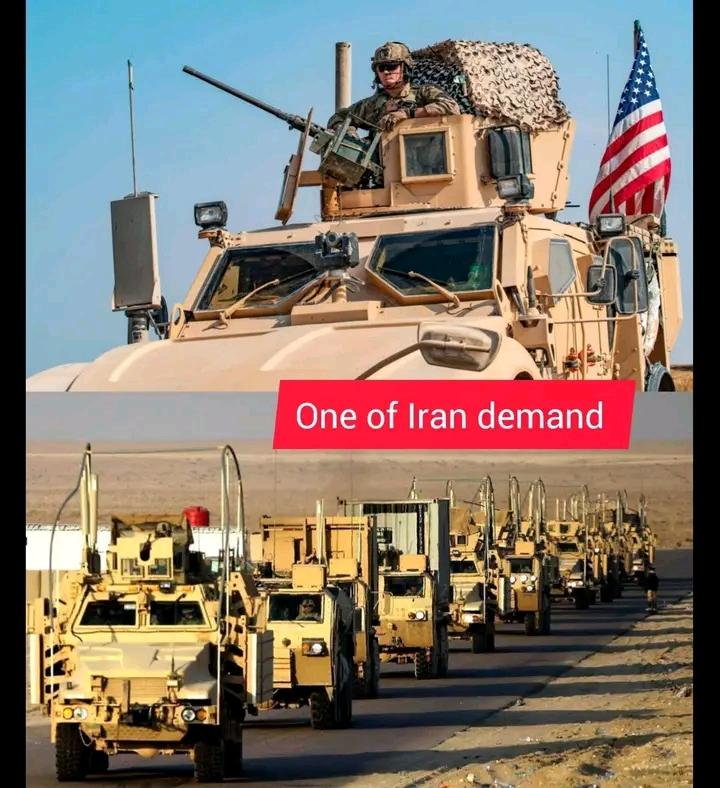
    Iraqi militant groups have agreed to a 24-hour ceasefire to facilitate the full withdrawal of U.S. and NATO troops from Victoria Base in Baghdad. Under the terms of the agreement, the ceasefire was conditional on the United States refraining from targeting PMF positions in Samarra and Karbala.
    U.S. and NATO forces have now withdrawn from nearly all areas of Iraq, with the exception of northern regions where a limited presence remains in Kurdish-controlled areas—marking a significant development on the ground.

    Abu Mahdi al-Jaafar, spokesperson for the Saraya Awliya al-Dam group, commented on the ceasefire, stating: “But if you return [to sin], we will return [to punishment]. We have made Hell a prison for the disbelievers.”
    Meanwhile, scenes have emerged of Iraqis recording and celebrating the withdrawal of U.S. forces as they move into Jordan this morning.

    This is one of Iran’s core demands

    #middleeast #israelmilitary #usmilitary #qatar #StraitOfHormuz #Trump
    馃嚭馃嚫馃嚜馃嚭馃嚠馃嚩鈿★笍 — BREAKING: US BASE IN IRAQ, SHUTS DOWN. CEASEFIRE IN IRAQ, TO ENABLE THE US TROOPS TO PULL OUT. Iraqi militant groups have agreed to a 24-hour ceasefire to facilitate the full withdrawal of U.S. and NATO troops from Victoria Base in Baghdad. Under the terms of the agreement, the ceasefire was conditional on the United States refraining from targeting PMF positions in Samarra and Karbala. U.S. and NATO forces have now withdrawn from nearly all areas of Iraq, with the exception of northern regions where a limited presence remains in Kurdish-controlled areas—marking a significant development on the ground. Abu Mahdi al-Jaafar, spokesperson for the Saraya Awliya al-Dam group, commented on the ceasefire, stating: “But if you return [to sin], we will return [to punishment]. We have made Hell a prison for the disbelievers.” Meanwhile, scenes have emerged of Iraqis recording and celebrating the withdrawal of U.S. forces as they move into Jordan this morning. 鉂わ笍This is one of Iran’s core demands #middleeast #israelmilitary #usmilitary #qatar #StraitOfHormuz #Trump
    0 Commenti 0 condivisioni 573 Views 0 Anteprima
  • This is what is sinking ships in the strait of #HORMUZ
    This is what is sinking ships in the strait of #HORMUZ
    0 Commenti 0 condivisioni 327 Views 10 0 Anteprima
  • How Iran maintains control of the Strait of Hormuz

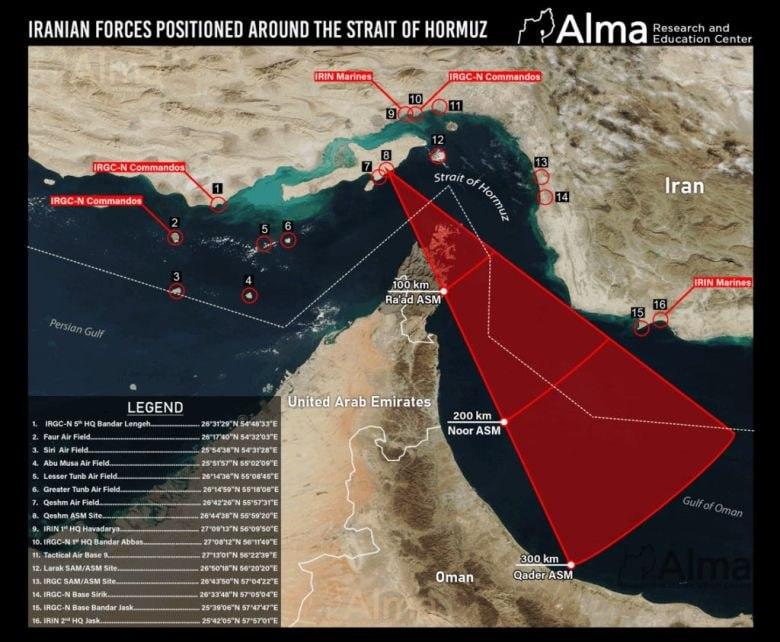
    Iran wields substantial power over one of the world’s busiest maritime chokepoints. Iran’s control over the Strait of Hormuz is a cornerstone of its defense strategy, with a southern coastline stretching over 1,100 miles, Iran dominates the Strait, a critical link between the Persian Gulf and the Gulf of Oman.

    Tehran’s Smart Control doctrine has revolutionized its ability to protect this strategic waterway. The doctrine integrates a multi-layered system of air defense, dual-role drones, and maritime missile strategies. Iran’s air defense systems, such as the Sayyad-3G, create a mobile shield. Meanwhile, dual-role drones capable of targeting both aerial and maritime threats provide Tehran with the ability to selectively monitor and strike specific vessels, while allowing neutral traffic to pass unharmed.

    In peacetime, Smart Control marked a change from the blunt-force blockades Iran once used. Now, Iran can apply pressure with precision, targeting specific vessels like LNG or chemical tankers while maintaining a level of operational flexibility that avoids the widespread disruption of global shipping.

    The ongoing conflict has further highlighted the potency of this strategy. Iran’s use of electronic warfare, such as GPS spoofing, has affected over 1,100 vessels since March 1, managing shipping routes and providing Tehran with the force to seize or strike specific targets. The IRGC has utilized its land-based air defense system integrated with Iranian naval vessels to create overlapping air defense bubbles with kinetic strikes using drones, Iran has been able to impose a de facto blockade on the Strait, causing a 20% reduction in global oil supply and triggering soaring maritime insurance premiums.

    Despite mounting pressure, Iran’s strategic depth and innovative defense tactics have shown resilience. Its geographic advantages and asymmetric warfare strategies remain strong deterrents against conventional attacks. While advanced precision technologies pose challenges, Iran’s ability to adapt and leverage its terrain ensures it can maintain sovereignty and withstand external threats.

    @NewRulesGeo鉂楋笍Follow us on X
    馃毃馃嚠馃嚪How Iran maintains control of the Strait of Hormuz Iran wields substantial power over one of the world’s busiest maritime chokepoints. Iran’s control over the Strait of Hormuz is a cornerstone of its defense strategy, with a southern coastline stretching over 1,100 miles, Iran dominates the Strait, a critical link between the Persian Gulf and the Gulf of Oman. Tehran’s Smart Control doctrine has revolutionized its ability to protect this strategic waterway. The doctrine integrates a multi-layered system of air defense, dual-role drones, and maritime missile strategies. Iran’s air defense systems, such as the Sayyad-3G, create a mobile shield. Meanwhile, dual-role drones capable of targeting both aerial and maritime threats provide Tehran with the ability to selectively monitor and strike specific vessels, while allowing neutral traffic to pass unharmed. In peacetime, Smart Control marked a change from the blunt-force blockades Iran once used. Now, Iran can apply pressure with precision, targeting specific vessels like LNG or chemical tankers while maintaining a level of operational flexibility that avoids the widespread disruption of global shipping. The ongoing conflict has further highlighted the potency of this strategy. Iran’s use of electronic warfare, such as GPS spoofing, has affected over 1,100 vessels since March 1, managing shipping routes and providing Tehran with the force to seize or strike specific targets. The IRGC has utilized its land-based air defense system integrated with Iranian naval vessels to create overlapping air defense bubbles with kinetic strikes using drones, Iran has been able to impose a de facto blockade on the Strait, causing a 20% reduction in global oil supply and triggering soaring maritime insurance premiums. Despite mounting pressure, Iran’s strategic depth and innovative defense tactics have shown resilience. Its geographic advantages and asymmetric warfare strategies remain strong deterrents against conventional attacks. While advanced precision technologies pose challenges, Iran’s ability to adapt and leverage its terrain ensures it can maintain sovereignty and withstand external threats. @NewRulesGeo鉂楋笍Follow us on X
    0 Commenti 0 condivisioni 515 Views 0 Anteprima